
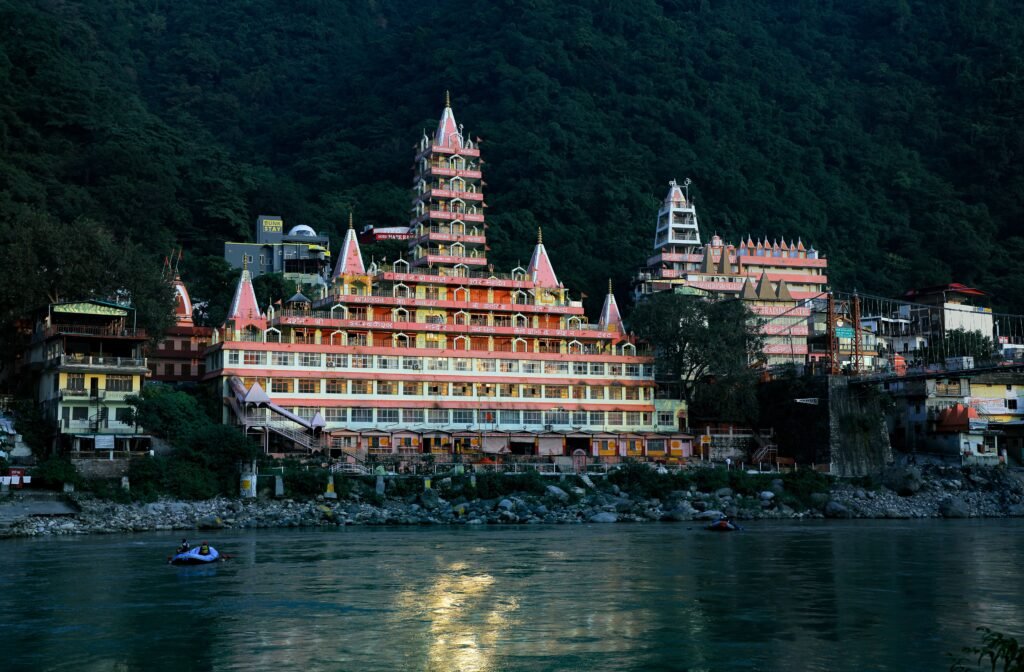
Rishikesh In Monsoon
Rishikesh in Monsoon: When Paradise Looks Beautiful but Life Gets Difficult
There is a version of Rishikesh that appears almost unreal during the monsoon.
The mountains turn deep green. Small waterfalls begin appearing along the hillsides. The Ganga becomes louder and more powerful, while clouds settle over the surrounding mountains and give the entire city a dramatic, almost cinematic appearance.
For a traveller sitting inside a café, watching the rain fall over the valley, Rishikesh in monsoon can look absolutely stunning.
But there is another side to the monsoon that photographs rarely show.
For people who actually live and work in Rishikesh, heavy rainfall can make ordinary life considerably more difficult. A journey that normally takes 20 minutes can suddenly take much longer. Roads can become waterlogged or damaged, traffic can slow down, and travelling towards the hills can become unpredictable because of landslides and falling debris.
So, what is Rishikesh really like during the monsoon?
It is beautiful.
But it can also be inconvenient, unpredictable and, during periods of intense rainfall, dangerous.
Rishikesh in Monsoon: Two Completely Different Experiences
Rishikesh is located where the Himalayan foothills meet the plains, with the Ganga running through the city. It is already known for its mountains, forests, river, spirituality and adventure tourism.
When the monsoon arrives, all of these natural features become even more dramatic.
The forests become greener.
The hills become mistier.
The air becomes cooler and fresher.
The Ganga becomes stronger.
And the waterfalls and seasonal streams become more visible.
Uttarakhand Tourism itself describes the monsoon as a season that brings new life to the state’s landscapes, with lush foliage becoming one of the defining features of the rainy season.
But the same rain that creates this scenery also puts enormous pressure on roads, drainage systems, hillsides and daily transportation.
That is where the story changes.
The Beauty of Rishikesh During Monsoon
Before discussing the problems, it is worth understanding why people are attracted to Rishikesh during the rainy season.
1. The Mountains Turn Green
One of the biggest visual changes is the landscape.
The dry and dusty appearance that can be seen during hotter months gradually disappears. Vegetation becomes greener and the hills develop a much richer appearance.
For photographers and nature lovers, this can be one of the most beautiful periods to see the region.
2. The Ganga Becomes More Powerful
Rainfall across the wider Himalayan catchment contributes to increased water flow in the Ganga.
The river during monsoon is therefore very different from the calmer river that many visitors see during other seasons.
It looks powerful, fast and imposing.
That beauty, however, comes with an important warning: a swollen river is not simply a more scenic river. It can also be significantly more dangerous.
3. Waterfalls Come Alive
The hills around Rishikesh receive substantial rainfall during the monsoon, and seasonal streams and waterfalls become much more active.
Places that may appear relatively dry during other months can suddenly have flowing water.
It is one of the reasons monsoon landscapes in Uttarakhand can be spectacular.
But it is also why hiking around streams, waterfalls and unstable slopes requires much greater caution.
4. The City Feels Different
Rishikesh is normally energetic.
During heavy rain, however, the rhythm changes.
The roads become wet, traffic slows down and outdoor plans become less predictable. Cafés, hostels, hotels and ashrams can suddenly become the centre of activity as people wait for the weather to improve.
In other words, monsoon Rishikesh is not necessarily a season of doing more. It is often a season of slowing down.
But Here Comes the Part Tourists Don't Always See
The biggest mistake when discussing Rishikesh during monsoon is treating the season purely as a beautiful travel experience.
For someone visiting for two or three days, rain may simply mean:
“Let’s wait for an hour and see if it stops.”
For someone who has to go to work, deliver something, attend college, run a hotel, operate a shop or travel between Rishikesh and nearby areas, that same rain can become a genuine daily problem.
And heavy rainfall is not unusual in Uttarakhand.
During the 2025 monsoon, the India Meteorological Department recorded particularly high rainfall across Uttarakhand, with the June–September 2025 monsoon total reaching 715.2 mm, the second-highest seasonal total recorded in the state’s 1901–2025 historical record.
Rishikesh itself experienced episodes of very heavy rainfall. In August 2025, IMD records showed 15 cm of rainfall in Rishikesh on August 4 and 19 cm on August 5.
That amount of rainfall can change the practical reality of an entire day.
How Heavy Rain Affects Daily Life in Rishikesh
1. Commuting Becomes a Problem
One of the most immediate effects of heavy rainfall is transportation.
A short-distance commute can become unnecessarily complicated because of:
- Waterlogging
- Slow-moving traffic
- Poor visibility
- Slippery roads
- Damaged road surfaces
- Fallen branches or debris
- Temporary road closures
- Increased travel time
This isn’t merely an inconvenience for tourists.
For local residents, it means reaching work late, making deliveries difficult, missing appointments or spending considerably more time on roads.
During a particularly intense rainfall event in Rishikesh, flash flooding and road damage were reported to have made commuting difficult for local residents both within and outside the city.
2. Travelling Towards the Hills Becomes Unpredictable
This is where the geography of Uttarakhand matters.
Rishikesh is not an isolated tourist destination sitting on flat terrain. It is also an important gateway towards the Garhwal Himalayas.
That means rainfall in and around Rishikesh can affect people travelling further into the mountains.
Heavy rain can trigger:
- Landslides
- Falling rocks
- Mud and debris on roads
- Road erosion
- Temporary highway closures
- Delays in public transportation
These aren’t hypothetical concerns.
In July 2026, heavy rainfall across Uttarakhand triggered landslides, road closures and widespread travel disruption. More than 100 roads were reported closed during one particularly severe spell, while authorities also issued flash-flood warnings in several districts.
Earlier incidents have also affected major routes originating from Rishikesh, including the Rishikesh–Badrinath and Rishikesh–Gangotri corridors.
For anyone planning a journey deeper into the mountains during monsoon, the road condition can sometimes matter more than the distance.
3. Simple Daily Tasks Take More Effort
This is perhaps the most underrated part of monsoon life.
Heavy rain does not have to create a disaster to create problems.
Sometimes it simply makes everything harder.
Going to the market.
Getting groceries.
Picking up medicine.
Going to work.
Dropping children somewhere.
Getting a vehicle serviced.
Receiving deliveries.
Walking to a nearby shop.
Even finding a dry route from your home to your vehicle can become an annoying exercise.
When rain continues for hours or returns repeatedly over several days, these small inconveniences start accumulating.
Monsoon difficulty is often not one dramatic event. It is dozens of small disruptions happening repeatedly.
4. Two-Wheeler Travel Becomes Particularly Difficult
Rishikesh has a large number of people travelling by scooters and motorcycles.
During moderate rain, this may simply mean getting wet.
During heavy rain, the situation changes.
Wet roads reduce grip. Puddles can hide potholes. Visibility decreases, especially during intense showers, and water flowing across roads can make certain stretches difficult to judge.
For riders, a journey that is perfectly ordinary on a dry day can become significantly more demanding during a heavy downpour.
This is one reason why monsoon travel in the hills should never be treated casually.
5. The Ganga Is Beautiful — But Respect It
The Ganga is one of the biggest reasons people come to Rishikesh.
During monsoon, however, the river deserves considerably more respect.
Heavy rainfall can increase river levels and make currents stronger.
During a major rainfall episode in Rishikesh, the Ganga was reported to have risen close to the danger mark, while authorities prepared for a possible flood-like situation.
This is why a photograph beside the river can be beautiful while entering the river during unsafe conditions can be a completely different matter.
The monsoon Ganga should be admired, not underestimated.
Is Rishikesh Safe During Monsoon?
The answer isn’t simply yes or no.
Rishikesh itself is not automatically unsafe throughout the entire monsoon season. In fact, the city remains accessible and people continue living, working and travelling there throughout the rainy months.
The real issue is weather intensity and timing.
A day with light rainfall can be peaceful and enjoyable.
A day with continuous heavy rainfall can create waterlogging, traffic problems and road disruptions.
And a severe weather spell can affect routes beyond Rishikesh through landslides, flooding and road closures.
Therefore, the sensible approach is not:
“Never visit Rishikesh during monsoon.”
It is:
“Understand the weather, understand the roads and don’t underestimate heavy rain.”
The Real Rishikesh in Monsoon
There are two Rishikesh in monsoon.
One is the Rishikesh you see on Instagram.
Green mountains | Clouds | Rain falling over the Ganga | Waterfalls | Misty | landscapes | Peaceful cafés.
The other is the Rishikesh experienced by people who have somewhere to be.
Wet roads | Traffic | Delayed deliveries | Longer commutes | Potholes | Waterlogging | Unpredictable mountain roads | Landslide risks.
And the constant need to check the weather before making plans.
Both are real.
That is what makes understanding Rishikesh during monsoon important.
The rain does not simply make the city beautiful.
It changes how the city functions.
Should You Visit Rishikesh in Monsoon?
If you are expecting a perfectly predictable holiday filled with outdoor activities, long drives and adventure sports, monsoon may not be the easiest season.
Uttarakhand Tourism itself identifies March–May and mid-September–December as favourable periods for visiting Rishikesh in monsoon, while rafting is recommended from September through June.
But if you understand the limitations and are comfortable with flexibility, monsoon can show you a side of Rishikesh that other seasons cannot.
The mountains are greener | The air feels different | The river becomes dramatic | The landscape feels alive | And the city slows down.
Just remember that beautiful does not always mean easy.
Final Thoughts: Beautiful, But Not Carefree | Rishikesh in Monsoon
Rishikesh in monsoon is a contradiction.
It is perhaps at its most visually dramatic when the rain arrives, yet the same rain can make everyday life considerably more complicated.
For travellers, that means checking weather conditions, keeping plans flexible and avoiding unnecessary risks around rivers, waterfalls and mountain roads.
For residents, workers and businesses, it means adapting to a season where something as ordinary as commuting can suddenly become difficult.
So, if you ask:
“Is Rishikesh beautiful during monsoon?”
Absolutely.
But if you ask:
“How is Rishikesh in monsoon?”
Not always.
And perhaps that is the most honest way to describe Rishikesh in monsoon:
A beautiful Himalayan town where the rain can make the scenery unforgettable — and everyday life unexpectedly difficult.